🦭
Seals Are the Main Prey
Bears often hunt seals near openings and breathing holes in the ice, where seals surface for air.
Discover the polar bear’s diet and learn how it finds food in the icy Arctic.
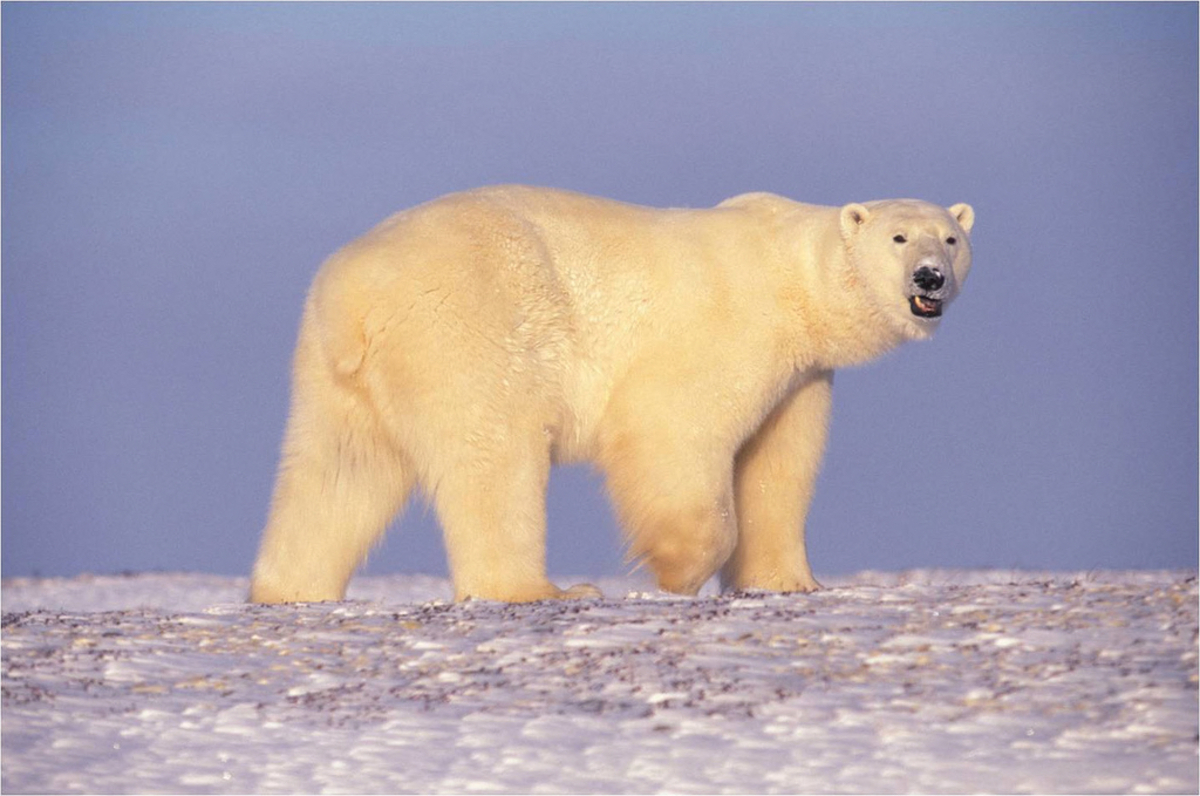
The polar bear is a carnivore. Seals, especially ringed seals, make up most of its diet. Fat-rich food helps it store energy and stay warm in the cold climate.
Bears often hunt seals near openings and breathing holes in the ice, where seals surface for air.
Bears sometimes catch fish, but fish are not a major part of their diet.
In some seasons, bears may raid bird nests and eat eggs when other food is unavailable.
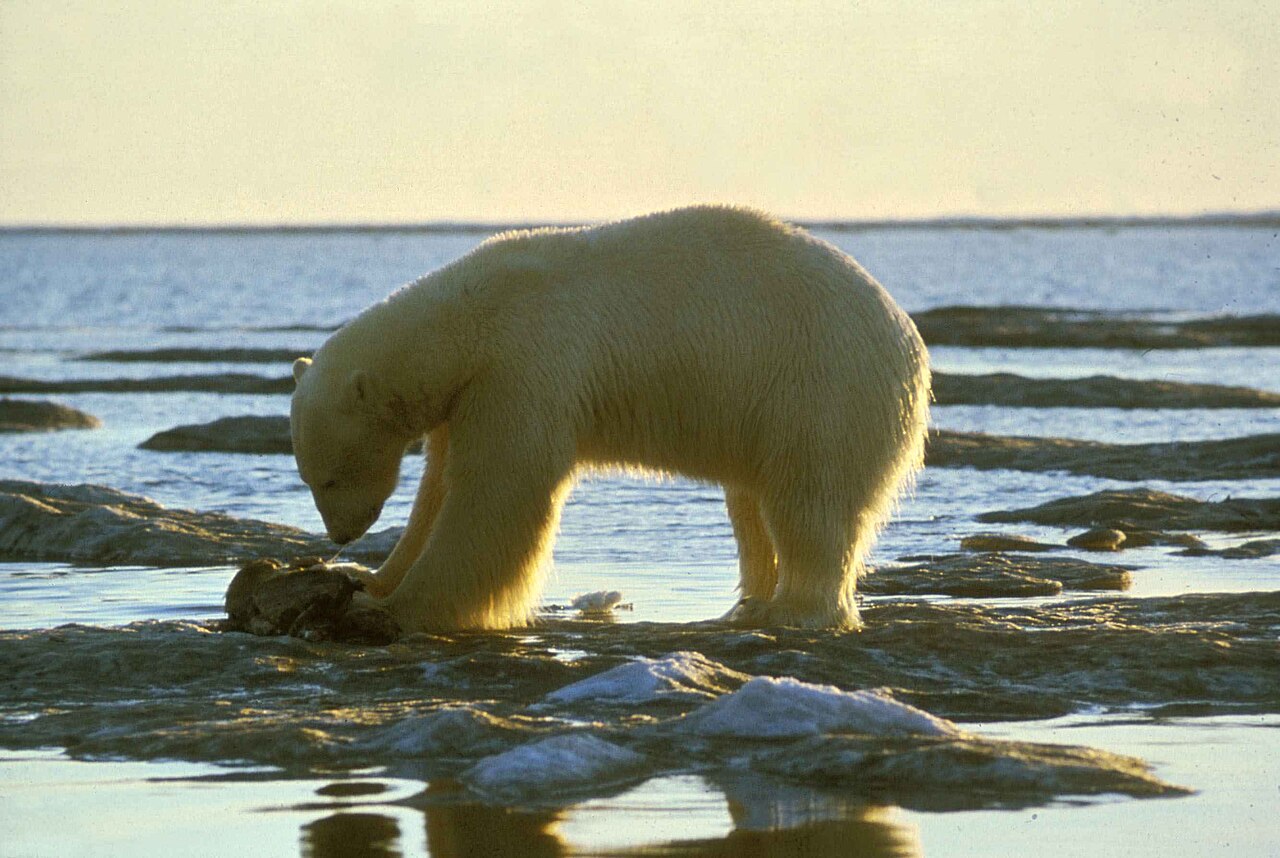
Bears may feed on the remains of marine animals, such as whale carcasses washed ashore.
In summer, they sometimes eat berries, grass, and other plants, but these foods cannot replace seals.
Seal fat is very high in calories. It helps bears build energy reserves and maintain insulation.
A bear often waits by a hole in the ice where a seal surfaces for air. Sometimes it carefully approaches a seal resting on the ice. Hunting requires patience and a great deal of energy.
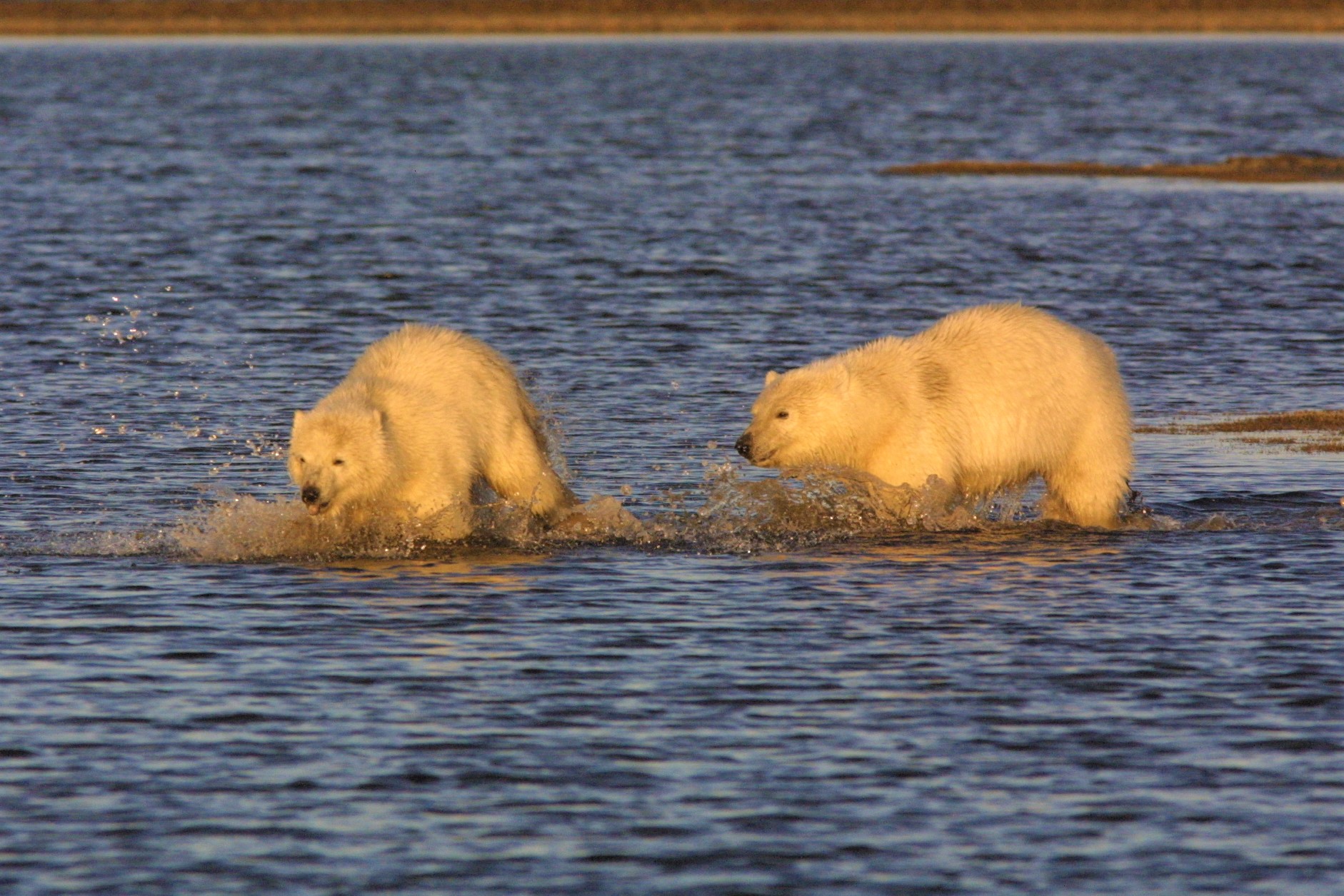
Sea ice is the polar bear’s main hunting ground. When it disappears earlier or forms later, bears have less time to hunt. That is why protecting the Arctic environment is so important.
Read Interesting Facts →Polar bears are carnivores. Sea ice and the coast play an important role in finding food.