🧊
Sea Ice
Their main hunting ground. The ice gives bears access to places where seals rest.
Meet the majestic rulers of the North — powerful swimmers, caring parents, and a symbol of the fragile Arctic environment.
Explore the ArcticThe polar bear is the largest land carnivore on Earth. It is perfectly adapted to life among the ice and cold waters of the Arctic Ocean.
Beneath its thick fur, the bear has a substantial layer of fat that helps retain heat. Its skin is black, while its hairs are almost transparent — they scatter light and appear white.
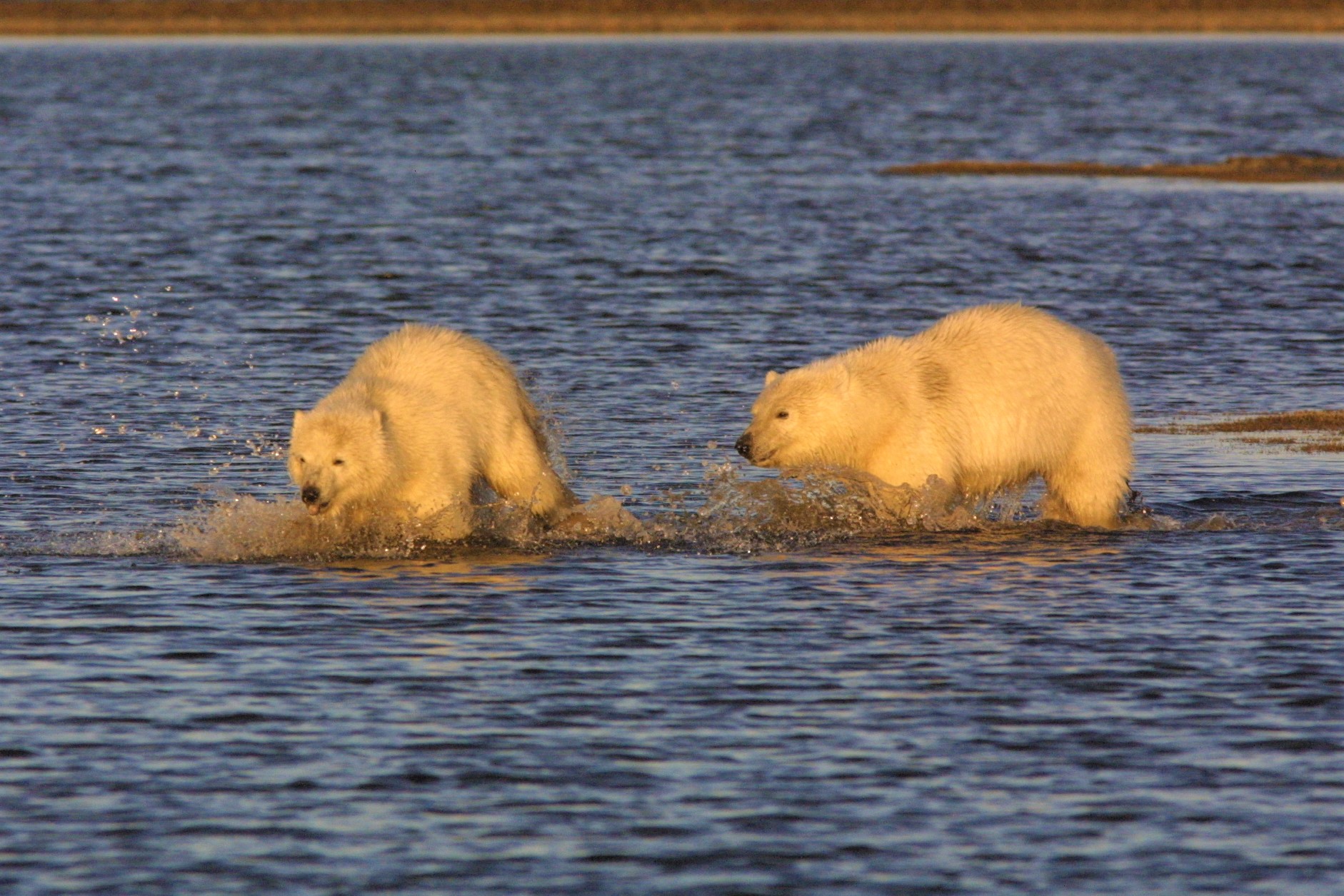
Wide paws help polar bears walk on snow and swim. They can travel long distances through cold seas in search of food.
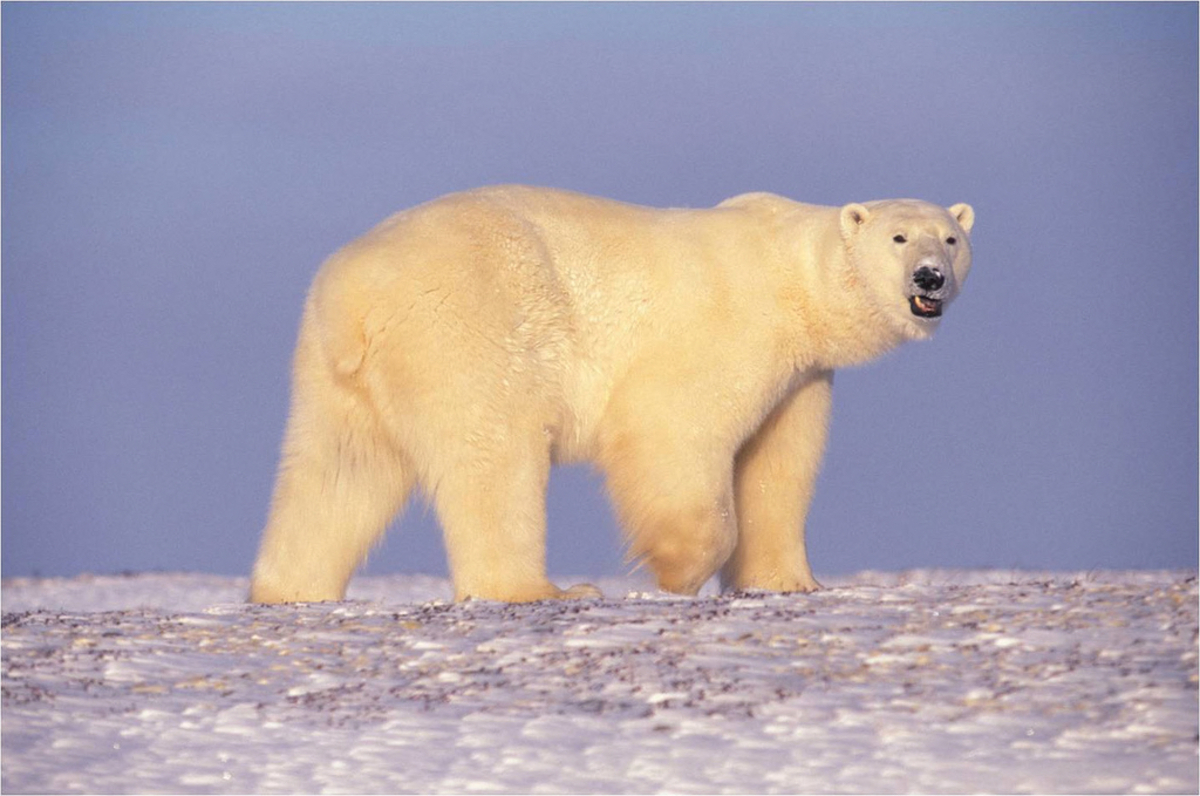
Their range includes the Arctic regions of Russia, Canada, the United States (Alaska), Greenland, and Norway. Polar bears usually stay near sea ice, where they hunt seals.
Their main hunting ground. The ice gives bears access to places where seals rest.
Seals make up most of their diet. Bears sometimes eat fish, eggs, seaweed, and carrion.
Polar bears are usually solitary. The exception is mothers with cubs.
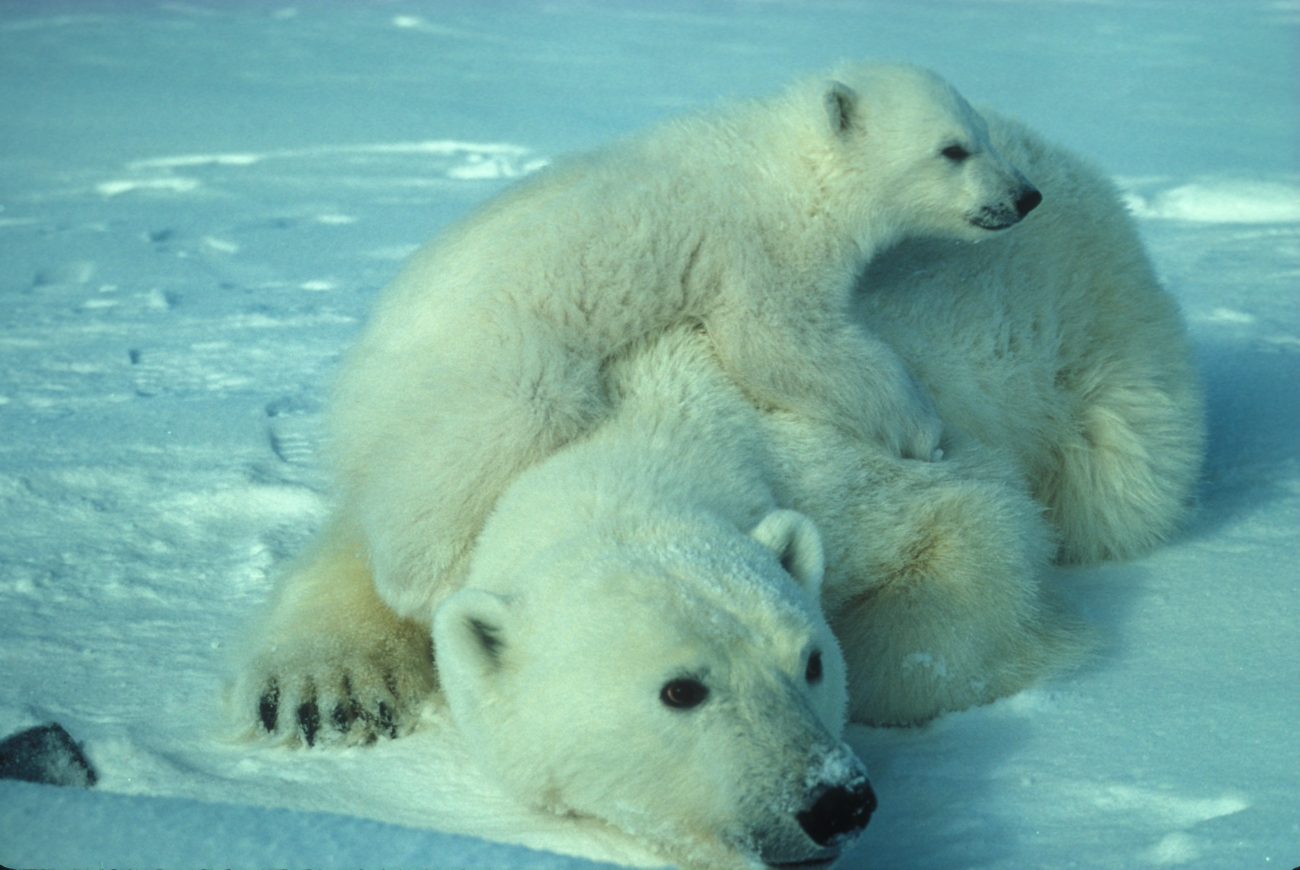
A female usually gives birth to one or two cubs in a snow den. The cubs spend their first months beside their mother, nursing and growing stronger.
The mother cares for her cubs and teaches them to find food, swim, and survive in the harsh Arctic.
Climate change is reducing sea ice. It is becoming harder for bears to hunt, find food, and raise their young.
The seal-hunting season is getting shorter, while the journey to suitable hunting grounds is getting longer.
Plastic and chemical pollutants threaten Arctic ecosystems.
Industrial development and shipping can disturb animal habitats.
Scientific research and protection of Arctic areas help safeguard populations.
Save energy, reduce single-use plastic, sort waste, and support trusted conservation projects. Caring for the climate helps protect the polar bears’ home.
Back to Top ↑A collection of images featuring cubs, adult bears, feeding, and life in the Arctic. All images are stored in the website folder and are available offline.
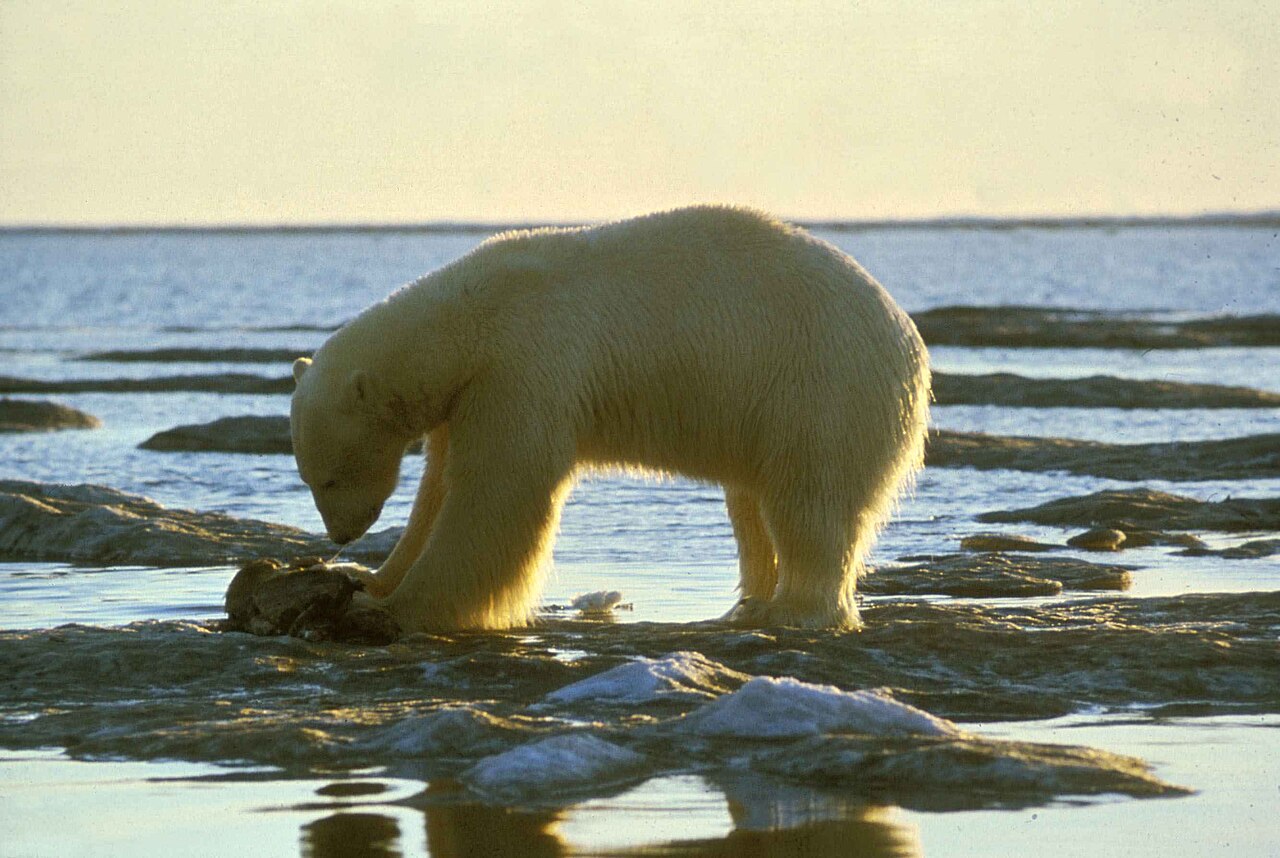
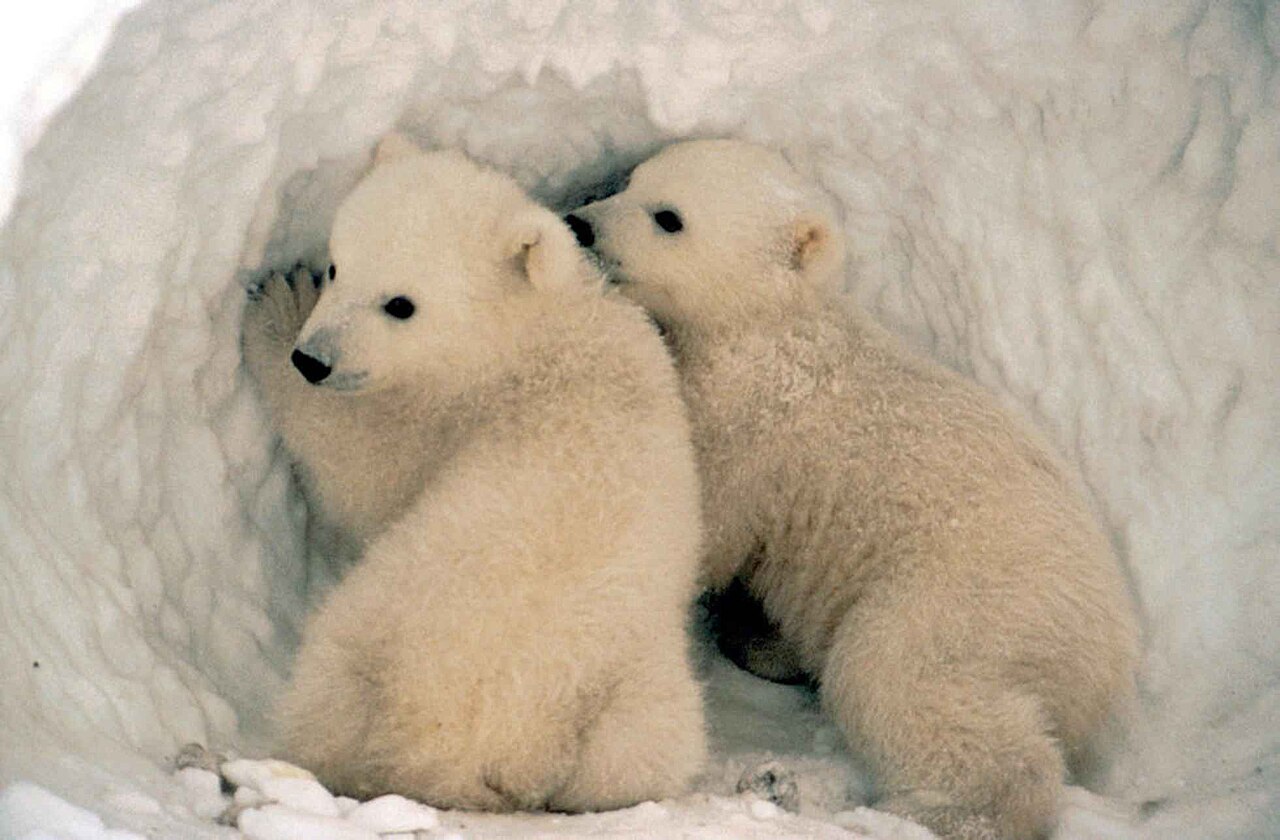
Additional themed photographs on the website pages are from Wikimedia Commons; author and licence information is available on the file pages.