🖤
Their Skin Is Actually Black
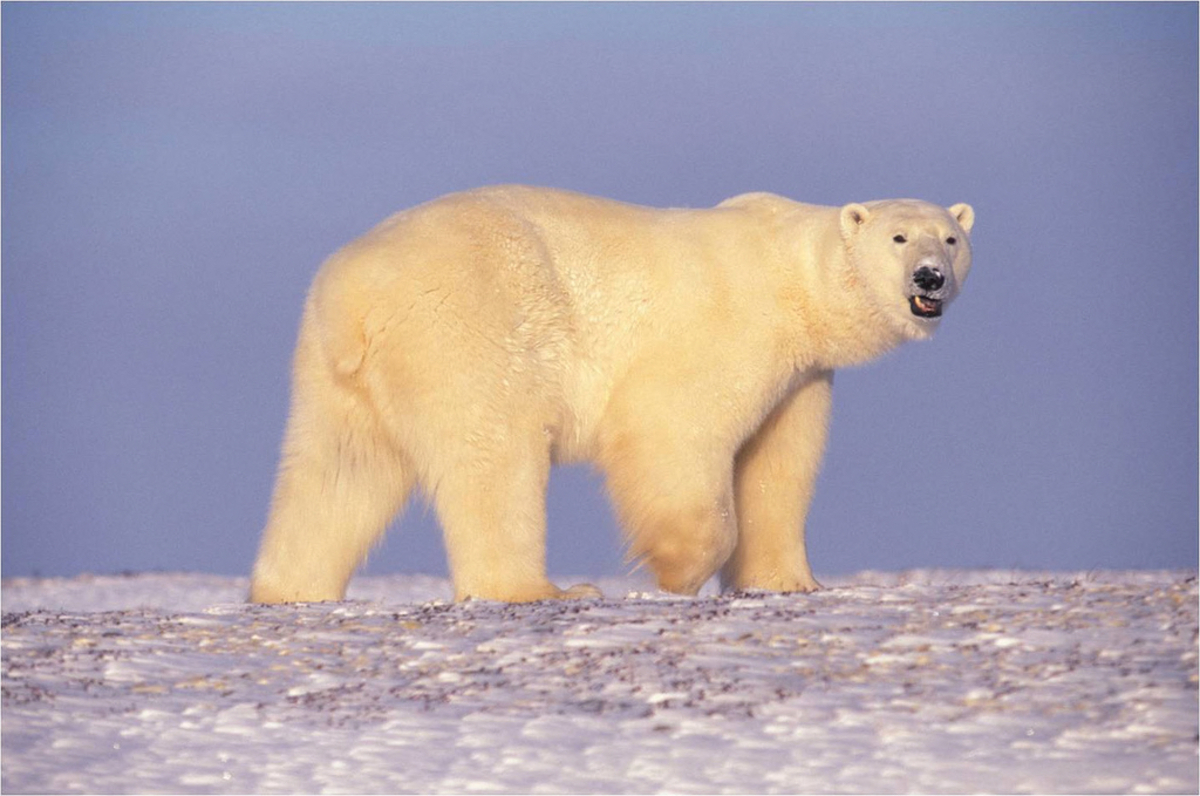
Beneath a polar bear’s light fur is dark, almost black skin. It helps absorb heat from the sun.
Discover the remarkable features of the Arctic’s rulers and learn how they have adapted to life among the ice.
Polar bears are more than just large white predators. They have remarkable features that help them survive in the harsh Arctic.
Beneath a polar bear’s light fur is dark, almost black skin. It helps absorb heat from the sun.
The hairs are almost colourless and hollow. They appear white because of the way they reflect and scatter light.
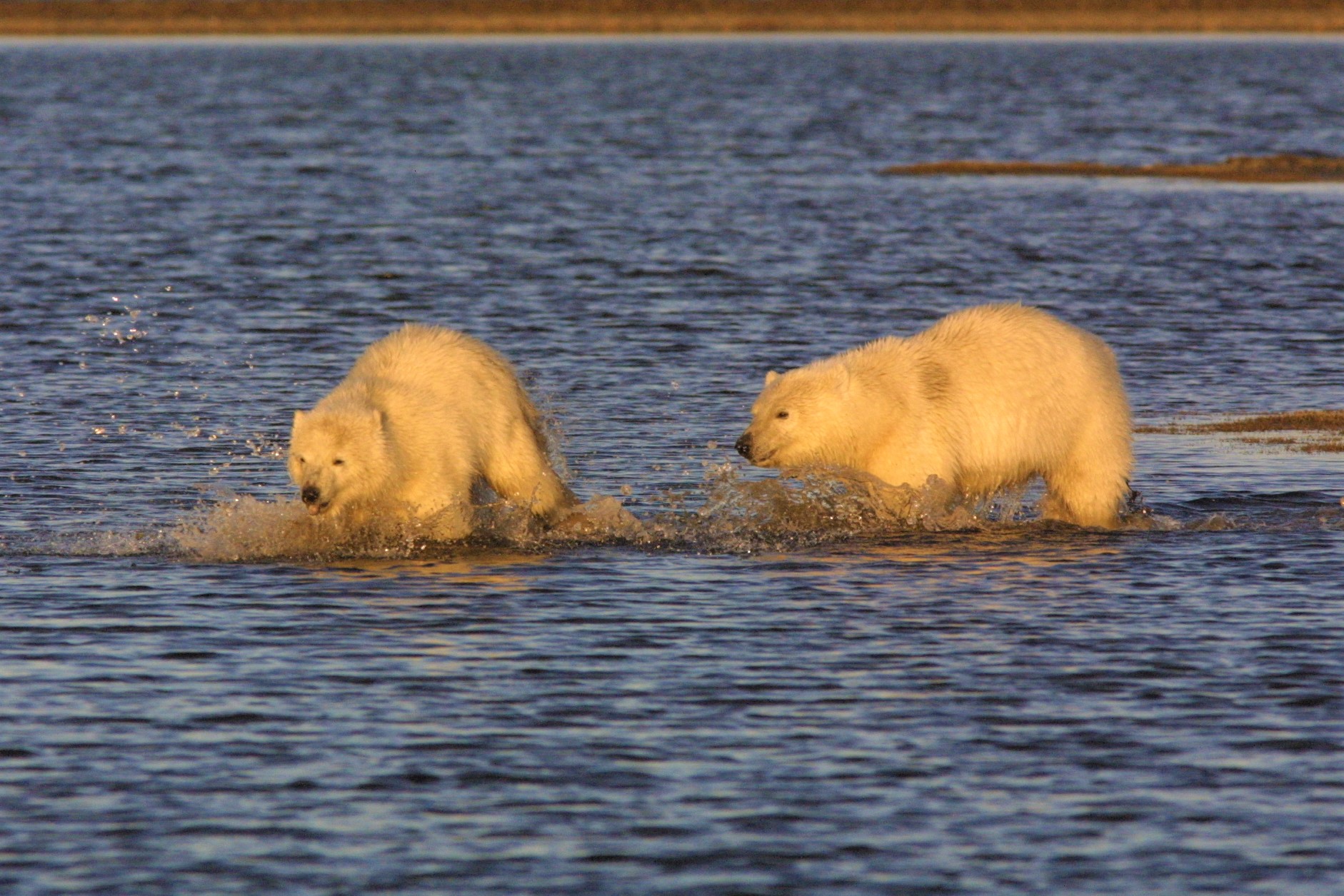
Polar bears are powerful swimmers. They use their front paws to propel themselves and their hind legs to steer.
Their sense of smell helps them find prey, including seals hidden beneath the snow.
Large paws spread their weight over the snow, helping them avoid sinking. They also help with swimming.
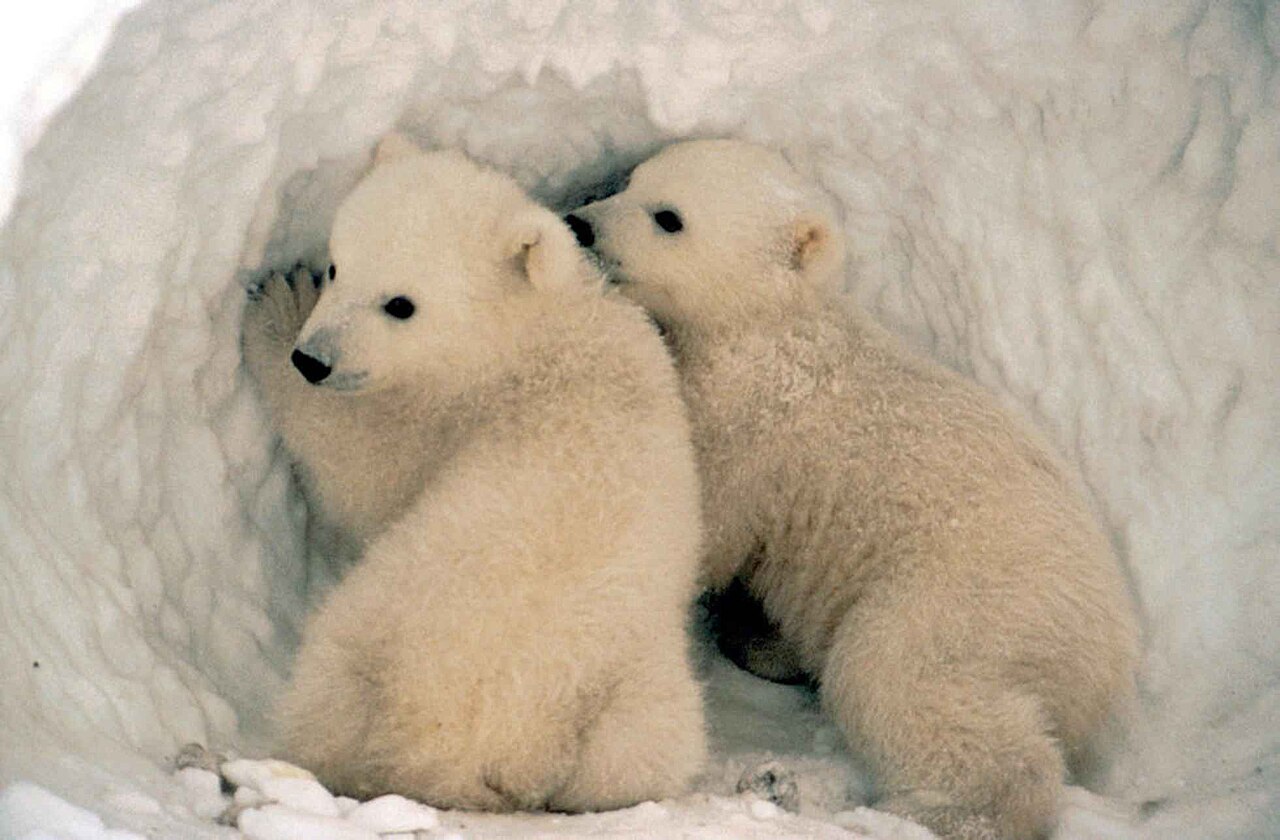
Newborn cubs are very small and helpless. At first, they depend entirely on their mother.
Polar bears can be found in the Arctic regions of Russia, Canada, the United States (Alaska), Greenland, and Norway.
They need ice primarily to hunt seals. That is why the loss of sea ice is especially dangerous for these animals.
The polar bear is an excellent swimmer and hunter, but even such a powerful animal depends on the balance of Arctic nature.
Discover What Polar Bears Eat →These photos show cubs in their den, playing in the water, and an adult bear in the Arctic.